
Dormant accounts are the hardest part. That is one of the quiet admissions buried in Stellar’s newly released Quantum Preparedness Plan, a phased roadmap to migrate the entire network to quantum-safe cryptography by the end of 2027.
The Stellar Development Foundation said it will seek community input on how to handle accounts that have gone inactive — and whether recovery mechanisms are even possible for them.
A Threat That Starts With Math
The urgency behind the plan traces back to Shor’s algorithm, a mathematical process that sufficiently advanced quantum computers could use to crack elliptic curve cryptography — the same signing method Stellar and most other blockchains rely on today.
Scientists at INRIA have already reduced the number of logical qubits needed to break 256-bit elliptic curves, while the US National Institute of Standards and Technology has revised its risk window to 2029 or earlier. Google is also targeting post-quantum readiness by that same year.
Quantum computers will eventually break the cryptography behind nearly every blockchain. This threat will extend far beyond blockchain to every major industry.
When, not if.
On most chains, going quantum-safe means moving every asset to a brand-new account.
On Stellar, you…
— Build on Stellar (@BuildOnStellar) June 9, 2026
Stellar identified two core risks. The first involves validator signatures, where a breach could destabilize network consensus. The second — and more difficult — is account takeover, where a quantum machine could derive a private key directly from a public one.
With thousands of dormant accounts on the network, addressing that second threat at scale is a problem without an easy answer.
What Sets Stellar Apart
Most blockchains tie an address directly to a public key, which means going quantum-safe typically requires moving assets to an entirely new account.
Stellar works differently. Its account addresses are separate from the signing keys attached to them. Users can add or swap signers through an existing operation called set_options without touching their address, balance, or transaction history.
According to the foundation, that structural design gives the network a smoother path than many of its peers.
The rollout is structured in three stages. Starting in 2026, post-quantum signature verification using NIST-standard algorithms ML-DSA-44 and ML-DSA-65 will be added to Soroban smart contracts, allowing enterprise wallets to begin migrating.
In 2027, a Core Advancement Proposal will bring quantum-safe signer types to classic accounts natively, letting all existing users add them alongside current keys.
The third stage — deprecation of the old Ed25519 standard — has no fixed date and will depend on how quantum computing develops and how ready the broader ecosystem is.
One Gap Remains OpenNot everything is covered. Reports indicate that zero-knowledge proof systems running on the network use pairing-based curves that are also vulnerable to quantum attack, and the foundation acknowledged that this area still requires further research. Separate collaboration with ZK protocol teams is planned to address it.
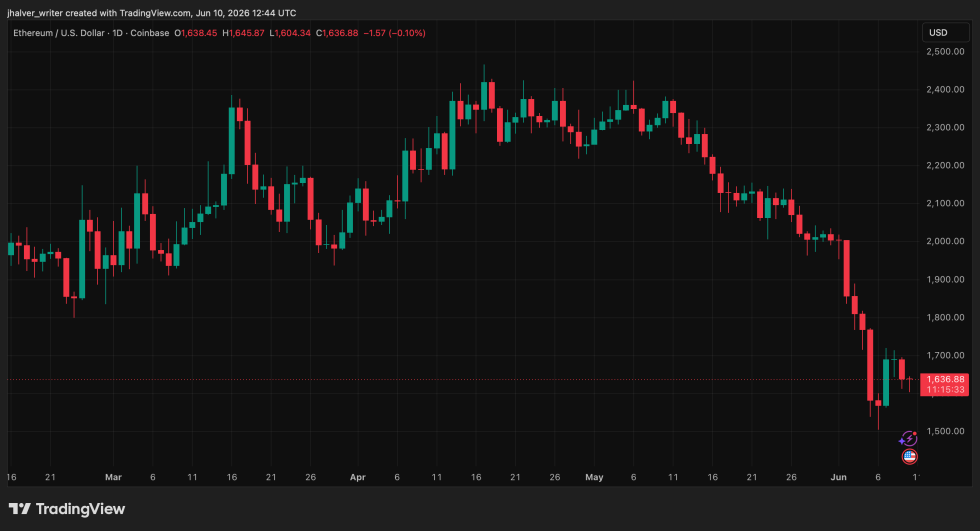
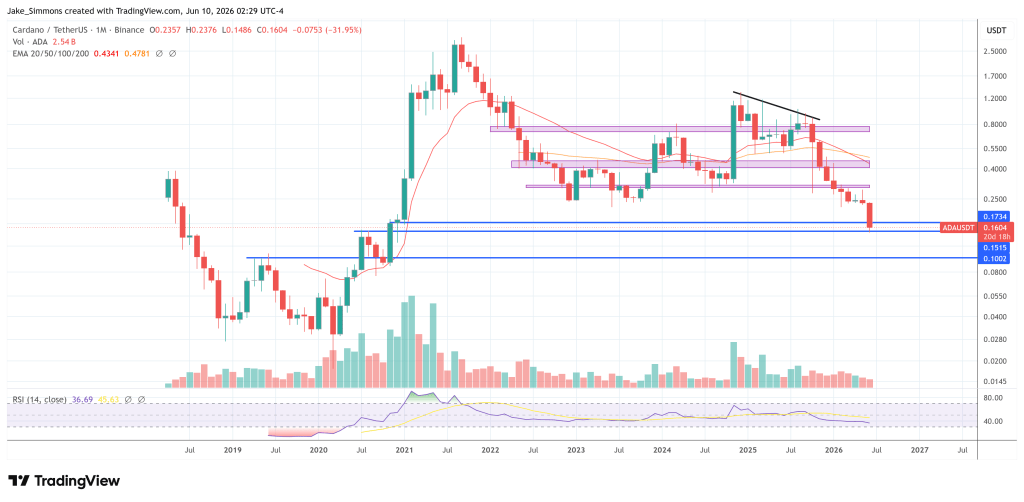
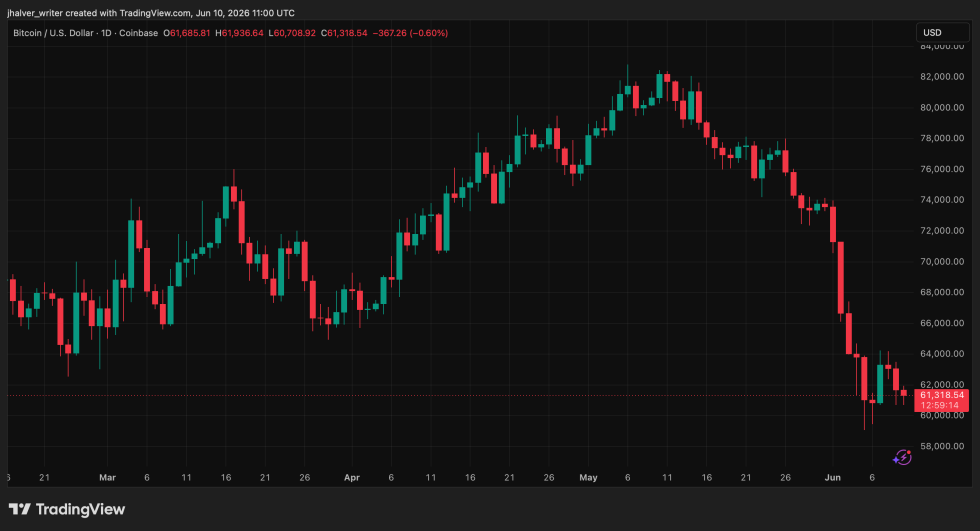
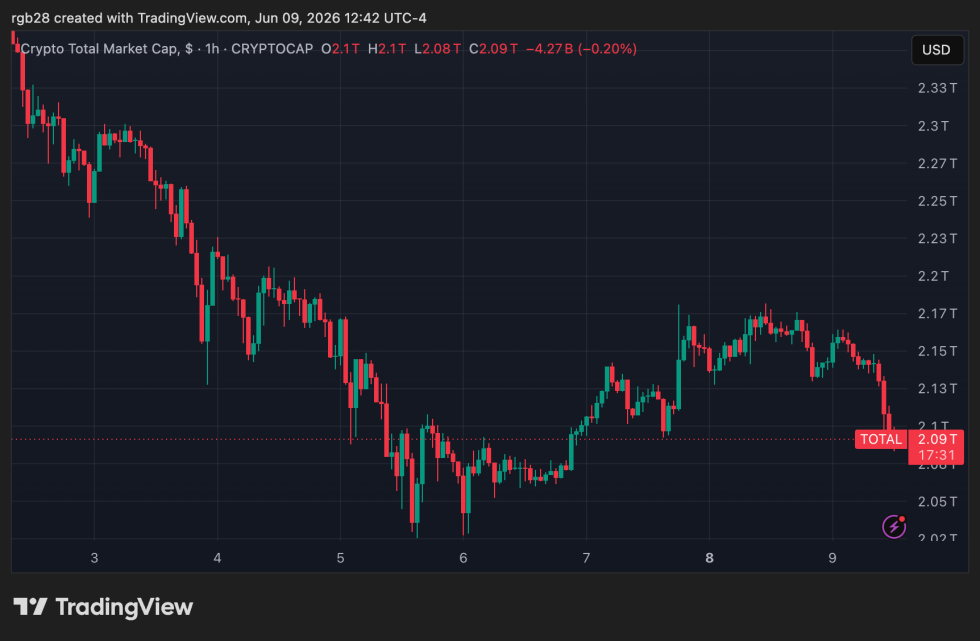
Featured image from Trezor, chart from TradingView

You can get bonuses upto $100 FREE BONUS when you:
💰 Install these recommended apps:
💲 SocialGood - 100% Crypto Back on Everyday Shopping
💲 xPortal - The DeFi For The Next Billion
💲 CryptoTab Browser - Lightweight, fast, and ready to mine!
💰 Register on these recommended exchanges:
🟡 Binance🟡 Bitfinex🟡 Bitmart🟡 Bittrex🟡 Bitget
🟡 CoinEx🟡 Crypto.com🟡 Gate.io🟡 Huobi🟡 Kucoin.










Comments